


The Importance of Mental Stimulation for Your Dog & How to Best Do It
Why your dog's brain needs a workout too, and five simple ways to keep it busy at home.

Your dog had a long walk this morning, yet by mid-afternoon they are chewing the rug, barking at nothing or following you from room to room. That is not a lack of exercise. It is a lack of mental stimulation, and for dogs it is just as essential as physical exercise and a balanced diet.
The good news is that a busy dog brain does not take hours of your day. A few simple activities, done regularly, keep your dog's mind sharp and engaged.
Mental stimulation matters as much as physical exercise. Without it, dogs develop boredom-driven behaviors like destructive chewing, excessive barking and anxiety. The most effective methods are puzzle feeders and fillable treat toys, hide-and-seek, short training sessions, interactive play and nose-work games.
Why is mental stimulation important for dogs?
Mental stimulation plays a vital role in a dog's overall well-being. It helps prevent boredom, which can lead to destructive behavior and anxiety.
- It builds skills. Engaging your dog's mind exercises their problem-solving skills, improves their ability to learn and boosts their confidence.
- It improves behavior. A mentally stimulated dog is more likely to behave well, adapt to new situations and show better focus and attention.
- It works when exercise cannot. Mental exercise is an excellent outlet for dogs with limited physical abilities or those recovering from injury. Our crate rest enrichment plan shows how far it can go.
A walk tires the legs. A puzzle tires the brain. Most dogs need both.
What are the best ways to mentally stimulate a dog?
Five methods cover the main ways dogs like to use their brains.
1. Puzzle toys and treat dispensers
Interactive toys that challenge your dog's problem-solving can be a game-changer. A fillable frozen toy like a Freezbone is a simple version: you fill it, freeze it, and your dog has to work out how to lick, chew and nudge the food free. They get mental stimulation, and their effort is rewarded with something tasty.
Freezbone tip
Make the puzzle harder over time. Freeze the fill solid instead of serving it soft, and try a shape with tighter grooves once your dog has the first one figured out.
2. Hide-and-seek
Tap into your dog's natural hunting instincts. Hide treats or favorite toys around the house or yard and encourage your dog to find them using their nose. Start with easy hiding spots and make it harder as they improve.
3. Training sessions
Regular training gives mental stimulation and strengthens the bond between you. Teach new commands or tricks, or try activities like agility or scent work. Short, frequent sessions with positive reinforcement keep your dog's mind active and focused.
4. Interactive playtime
Play that you join in with asks a lot of your dog's brain. Try tug-of-war, fetch with multiple objects, or teaching them to find hidden toys or treats on a verbal cue. Add variety and excitement to keep their interest high.
5. Scent games
Dogs have an exceptional sense of smell, and scent games put it to work. Use scent boxes or hide scents in different spots and encourage your dog to find them. You can also try nose work, where your dog searches for a specific scent such as a favorite treat or toy.
How often should my dog get mental stimulation?
Little and often beats one long session. Short, frequent training works better than an occasional marathon, and a regular puzzle or frozen toy gives your dog something to look forward to every day. Our seven small shifts for your dog's mental health show how to build it into a normal week.
Not sure if your dog is getting enough? The look your dog gives you when they are bored covers the signs.
“My dogs love the freez bones. It gives them a good 30 minutes of mental stimulation”
Christina B., verified buyer
How do I choose the right activities for my dog?
Every dog is unique. Watch which activities your dog enjoys most, and tailor your approach to their preferences. A food-motivated dog may live for puzzle toys, while a nose-driven dog may get more from scent games. Mix two or three methods through the week so nothing gets stale, and enjoy discovering what your dog's brain can do.
Frequently asked questions
-
Yes. Physical exercise tires the body, but without mental stimulation dogs often develop boredom-driven behaviors like destructive chewing, excessive barking and anxiety.
-
Puzzle feeders and fillable treat toys, hide-and-seek, short training sessions, interactive play and nose-work or scent games.
-
Yes. Mental exercise is a useful outlet for dogs with limited physical abilities or those recovering from injury. Always follow your vet's activity restrictions.
-
Keep sessions short and frequent, with positive reinforcement. That keeps your dog's mind active and focused without frustration.
Shop this guide
Buy 2 save 15% · 3 save 20% · 4 save 25%
-
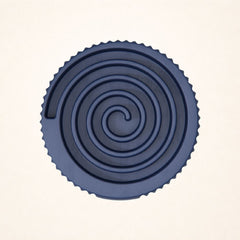
FreezSwirl
Introducing the FreezSwirl—a versatile chew toy with a unique swirling design that takes your...
$38.00
Shop FreezSwirl - Durable Stimulation Toy -
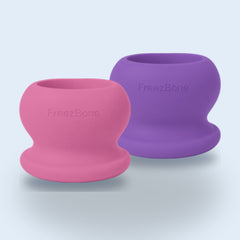
FreezBall Bundle
More balls, more fun, less prep. This bundle includes two FreezBall enrichment toys, giving your...
$47.00
Shop FreezBall Bundle - Starter Pack -
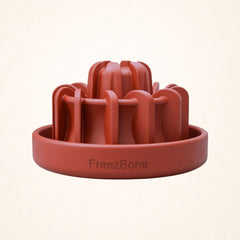
FreezLava
Introducing the FreezLava - a versatile chew toy with a unique lava-inspired design that...
$41.00
Shop FreezLava Heavy-Duty Enrichment Chew
Keep reading in Enrichment & Boredom

Enrichment for Senior Dogs: Gentle Brain Games and Soft Frozen Fills
An older dog's body slows down long before their brain stops wanting a job....

Is Bone Broth Safe for Dogs? Store-Bought vs Homemade, and How to Freeze It
Yes, bone broth is safe for most dogs, as long as it's plain: no...

Winter Indoor Boredom: What Changes When the Walks Get Short
Why dogs get restless when the clocks change, and a winter routine that replaces the lost walk time.