


The First Week After Adopting a Cat: A Day-by-Day Guide for New Cat Parents
Hiding, curiosity, personality, routine: what days 1, 3, 5 and 7 usually look like, and how to help.

Bringing home a newly adopted cat is exciting, and it can also feel a little overwhelming. Some cats settle in quickly, while others need more time to feel safe. If your new cat is shy, hiding under furniture or not acting the way you expected, don't worry. That is completely normal.
Here is what to expect during the first week after adopting a cat, day by day, and how to help them feel comfortable, confident and at home.
Expect hiding, little eating and lots of sleep on day 1, so give your cat a quiet room and plenty of space. Curiosity usually grows by day 3, personality starts to show around day 5, and by day 7 many cats recognize their people and routines. Keep feeding and play times consistent, and use gentle food enrichment to build positive associations.
Day 1: What should I expect when my new cat comes home?
Imagine being dropped into a completely unfamiliar place filled with strange smells, sounds and people. That is exactly how your cat feels.
During the first 24 hours, many cats will:
- Hide under beds or furniture
- Avoid eye contact
- Eat very little
- Sleep more than usual
- Seem nervous or cautious
Your job on day 1 is simple: give them space. Set up a quiet room with fresh water, food, a litter box, a comfortable bed, a scratching surface and a few toys. Avoid forcing interactions, and let your cat explore at their own pace.
Freezbone tip
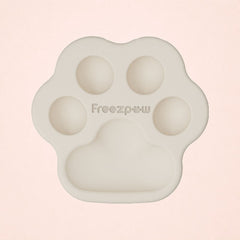
Food can help create positive associations with a new home. Try filling a FreezPaw enrichment toy with one of our Lickable Cat Paste Sticks. The familiar taste encourages licking, which can have a calming effect and helps a nervous cat focus on something positive while they adjust.
Day 3: When will my new cat come out of hiding?
By day 3, many cats begin venturing out more often. You may notice them exploring different rooms, watching you from a distance, using the litter box consistently, eating more normally and showing interest in toys.
This is the perfect time to start building trust. Let your cat approach you first. Sit quietly nearby, speak softly and allow them to investigate at their own pace.
Introduce gentle enrichment
Cats are natural hunters. Even indoor cats have strong instincts to stalk, chase and work for rewards, and enrichment can help redirect nervous energy into healthy mental stimulation. A FreezPaw toy filled with a Lickable Cat Paste Stick encourages exploration and rewards curiosity while keeping your cat engaged.
Day 5: How do I help my new cat settle into a routine?
Around day 5, many adopted cats begin showing more of their true personality: playful behavior, more vocalization, head bumps and affection, interest in family members and a bigger appetite.
This is often when cats start feeling secure enough to settle into routines, and predictable daily habits help them feel safe. Try to keep feeding times consistent, play sessions regular and sleeping areas unchanged.
“My kitten loves all of his Freezpaws. They're great for his bedtime snack.”
Tina K., verified buyer
Support healthy eating habits
Many newly adopted cats eat too quickly once they become comfortable. Food enrichment can help slow meals down and make feeding more rewarding. A frozen fill in a FreezPaw toy encourages natural licking and foraging, and a small drizzle of Wild Salmon Oil on top adds extra motivation.

Not sure what is safe to freeze? Our list of cat-safe frozen fills covers it, and it is not the same as the dog list.
Day 7: Is my cat settled after one week?
One week may not seem like much, but for a newly adopted cat it is a major achievement. By the end of week one, many cats will recognize familiar people, follow household routines, explore confidently, seek attention and show their unique personality.
Some cats will be fully settled, while others still need more time. Every cat adjusts differently.
What matters in week one is progress, not perfection.
Which first-week milestones should I celebrate?
Here are the signs your cat is settling into their new home:
- Eating and drinking normally
- Using the litter box consistently
- Exploring new areas
- Playing with toys
- Grooming themselves regularly
- Approaching family members voluntarily
- Relaxing outside of hiding spots
Even small improvements deserve celebration. If your cat is a rescue, our first 30 days health guide covers the vet visit, vaccines and food switch that come next.
How does enrichment help a newly adopted cat adjust?
Many new cat parents focus on food, litter and beds. Those essentials matter, but mental enrichment is just as important. Enrichment can help reduce stress, prevent boredom, encourage confidence, support natural hunting instincts and build positive daily routines.
FreezPaw enrichment toys are designed to turn treats into engaging activities, giving cats a healthy outlet for their curiosity and making mealtime and treat time more rewarding. For extra motivation, fill yours with:
- Lickable Cat Paste Sticks

- A drop of Wild Salmon Oil

- Your cat's favorite wet food
The result is a simple enrichment routine that keeps your cat mentally engaged while they settle into their new home.
Patience is the whole plan
The first week after adoption is all about patience. Your cat does not need to become your best friend overnight. They simply need time, consistency and positive experiences.
By creating a calm environment, keeping routines and introducing enriching activities, you help your new companion build confidence one day at a time. Before long, the shy cat hiding under the couch may be the same cat curled up beside you on the sofa.
Brought home a kitten? Our guide to common new kitten mistakes covers the first few months.
Frequently asked questions
-
Yes. During the first 24 hours many cats hide under beds or furniture, avoid eye contact, eat very little and sleep more than usual. Give them space and a quiet room.
-
Every cat is different. Some settle in quickly, while others need more than a week. By day 7 many cats recognize familiar people, follow routines and explore confidently.
-
Fresh water, food, a litter box, a comfortable bed, a scratching surface and a few toys, in a quiet room where your cat can explore at their own pace.
-
Let your cat approach you first. Sit quietly nearby, speak softly and let them investigate at their own pace. Avoid forcing interactions.
-
It can. Filling an enrichment toy with a lickable cat paste encourages licking, which can have a calming effect and gives a nervous cat something positive to focus on.
Shop this guide
Buy 2 save 15% · 3 save 20% · 4 save 25%
-
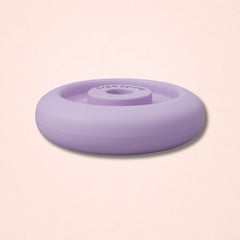
FreezRing
Tough Chew, Fun Shape Introducing the FreezRing, the ultimate cat toy built to last...
$23.00
Shop Freezring Cat Zen Relief Toy -
FreezPaw Lick Pad
he Perfect Enrichment Toy for Feline Fun Introducing the FreezPaw, the ultimate playtime and...
$23.00
Shop Freezpaw Cat Relax Lick Pad
Keep reading in Cats

Cat Lick Mats: What They Are, What to Put on Them and How to Freeze and Clean Them
What a lick mat does for a cat, the safe fills to spread on it, and how to freeze and clean it.

Cat Treat Toys and Treat Dispensers: Which Type Suits Your Cat?
Dispensers, lick toys and freezing toys compared, plus how to get a reluctant cat to try one.

Cat Paste Treats and Lick Sticks: How to Serve Them, How Many to Give and How to Make Them Last
Three ways to serve a lick stick, how many fit in your cat's day, and how to make one last longer.