


Spring into Pet Wellness: Your Ultimate Guide to a Season of Joy and Health
Allergies, ticks, shedding, yard hazards and travel: the spring checklist to keep your pet healthy.

The snow is melting, the first buds are out, and your dog wants to be outside every minute of the day. Spring is a great season for pets, but it also brings pollen, ticks, shedding coats, muddy paws and lawn chemicals all at once.
This spring pet care guide walks through each one, so you can spend the season enjoying the sunshine instead of dealing with problems you could have headed off.
Spring pet care comes down to a few habits: watch for allergy signs, update ID tags and keep pets off treated lawns, brush through the winter coat, start flea, tick and heartworm prevention, ease into extra exercise, keep fresh water everywhere, and book a spring check-up with your vet.
Does my dog have spring allergies?
Spring is notorious for allergies, and not just in humans. Pets can react to the pollen and dander in the air too. Keep an eye out for:
- Excessive scratching
- Sneezing
- Eye discharge
Start with the air at home: an air purifier and regular dusting cut down indoor allergens. Regular baths and brushing reduce the pollen your pet carries in after outdoor adventures, and hypoallergenic or oatmeal shampoos can soothe irritated skin.
For persistent problems, see your vet. They can prescribe medication to control symptoms or recommend specific diets to support your pet's immune system.
How do I keep my pet safe outdoors and in the yard?
As the weather warms, time outside goes up, and so does the potential for trouble. Even the best-behaved pet can wander off after a fascinating scent. Spring cleaning is the perfect time to pet-proof the home and yard as well.
Do
- Update ID tags and microchip details
- Use a leash, and check fences for winter damage
- Fit secure screens on windows (cats love a breezy sill)
- Keep clean water available at all times
Watch out for
- Fertilizers and pesticides: store out of reach
- Treated lawns, until they are safe again
- Rodent poisons and antifreeze left within reach
- Open windows without screens, a real fall risk
Planning a big clear-out? Our spring cleaning checklist for dog owners covers the house room by room.
How much water does my dog need in spring?
More than in winter. Warmer weather means your pet needs more water, so keep fresh, clean water available indoors and out. On a hike or long walk, bring a portable water dish.
Watch for signs of dehydration, such as dry gums and excessive panting, and respond quickly.
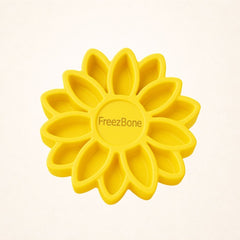
“My dog loves the frozen sunflower dog chew. Use it after a long day outside - calms her and cools her off at the same time - thank you!”
Kimberly H., verified buyer
How do I groom my dog through spring shedding?
- Brush more often. As temperatures rise, pets shed their winter coats. Regular brushing manages loose fur and prevents mats, which can trap dirt and parasites.
- Trim nails. With more daylight, nails may grow faster. Keep them trimmed to prevent splitting and cracking.
- Bathe gently. Muddy paws mean more baths. Use a gentle, pet-friendly shampoo and dry your pet thoroughly to avoid chills.
- Keep up dental care. Regular brushing and dental treats help prevent periodontal disease, which is more common in pets than you might think.
Curious what chewing does and does not do for teeth? We cover it in frozen treats and dental health.
When do fleas, ticks and heartworm become a problem?
All three become more prevalent in warmer weather. Preventative medication is your first line of defense, so talk to your vet about the best strategy for your pet's lifestyle and health.
- Check the coat and skin during grooming for parasites or unusual bumps that might be a tick.
- Vacuum regularly and wash your pet's bedding to help keep fleas at bay.
How should I adjust exercise and diet in spring?
With warmer weather, your pet will likely be more active. Adjust their diet to match the extra energy, but keep it balanced: too much food can lead to weight gain, especially for pets still coming out of a winter routine.
Regular exercise helps shake off extra winter weight and supports cardiovascular health. Start any new routine gradually to avoid injuries, especially if your pet was less active over the winter. For ideas, see fresh air fitness for your pet.
Freezbone tip
Building up slowly? On the days you keep the walk short, give your dog's brain a workout instead. A frozen fill keeps them busy while you build the walks up slowly.
How do I keep my pet happy as the season changes?
Changing seasons can affect your pet's mood and behavior. A few easy wins:
- Something new. Fresh toys and games keep them stimulated.
- Social time. Playdates and dog park visits help socialization and overall happiness.
- Praise. Positive reinforcement goes a long way as pets settle into a more active season.
How do I prepare my pet for spring travel?
Spring break and vacations are on the horizon. If your pet is coming along, get them comfortable with travel gradually, whether that is a carrier or the car. Plan ahead for pet-friendly accommodations, and make sure your pet has a quiet, safe space to retreat to somewhere unfamiliar. Our guide to planning a pet-friendly getaway has more.
Should my pet have a spring check-up?
Yes. A spring wellness exam is the ideal time to discuss vaccinations, heartworm prevention, flea and tick treatment and any other concerns. Your vet can also give personalized tips based on your pet's health history and breed.
- Allergy symptoms that persist despite cleaning and bathing
- Dry gums or excessive panting after time outdoors
- Signs of parasites or unusual bumps on the skin
- Any injury after a jump in activity
Spring is a perfect chance to refresh your pet's health routine. A little preparation goes a long way, so you can both step out into the sunshine and enjoy everything the season has to offer. Happy spring from all of us to you and your pets.
General information, not veterinary advice. Speak to your vet about allergy treatment and parasite prevention for your pet.
Frequently asked questions
-
Watch for excessive scratching, sneezing and eye discharge. If symptoms persist after cleaning, bathing and brushing, see your vet.
-
Fleas, ticks and heartworm become more prevalent as the weather warms, so spring is the time to talk to your vet about a prevention plan that suits your pet.
-
Brush regularly to manage loose fur and prevent mats, and bathe with a gentle, pet-friendly shampoo, drying thoroughly afterward.
-
They can be harmful if ingested. Store fertilizers and pesticides out of reach and keep your pet off treated lawns until it is safe.
-
Spring is a good time for a wellness exam to discuss vaccinations, heartworm prevention, flea and tick treatment and any other concerns.
Shop this guide
Buy 2 save 15% · 3 save 20% · 4 save 25%
-
FreezSunflower
FreezSunflower Meet the FreezSunflower, a beautifully designed enrichment toy inspired by the open shape...
$27.95
Shop FreezSunflower - Interactive Frozen Sunflower Dog Chew For Tough Chewers -
Freezball
Our #1 seller. Fill it, freeze it, and get up to 45 minutes of licking and chewing.
$15.95
Shop Freezball Dog Chew Toy- Durable Fillable Dog Chew Bone

Keep reading in Health & Safety

How Long Can a Frozen Dog Toy Sit Out? Food Safety for Fillings
Treat a filled toy like any other perishable food: two hours out of the...

Kids, Dogs and Frozen Toys: Simple Safety Rules
A frozen toy packed with food is one of the most valuable things your...

What Your Dog Should NEVER Eat on Halloween?
Chocolate, xylitol, raisins and five more Halloween hazards, what to do if your dog eats one, and safe swaps.