


Can Dogs Eat Pumpkin Purée? Portions, Freezing and the One Tin to Avoid
Safe portions by weight, the pie-filling mix-up to avoid, and how to freeze pumpkin for toy fills.

Yes, dogs can eat pumpkin purée. Plain 100% pumpkin purée is safe for dogs, low in calories and high in fiber, and it is one of the best fills you can put in a treat toy.
Pumpkin pie filling is not the same product. It sits on the same shelf, in a nearly identical can, and it can contain nutmeg, added sugar and sometimes xylitol. That one mix-up is the reason this article exists.
Plain 100% pumpkin purée is safe: low in calories, it freezes firm and can help with mild loose stools. Pie filling is not, because of nutmeg, sugar and possible xylitol. Start small, from up to 2 teaspoons a day for dogs under 15 lbs, and freeze leftovers in cube trays.
Can dogs eat pumpkin pie filling?
No. Walk down the baking aisle in October and you will find both cans, usually side by side, often from the same brand.
| Plain pumpkin purée | Pumpkin pie filling | |
|---|---|---|
| Ingredient list | One word: pumpkin | Pumpkin, sugar, spices, thickeners |
| Nutmeg | No | Frequently |
| Added sugar | No | Yes, often a lot |
| Xylitol risk | None | Possible in sugar-free versions |
| Safe for dogs | Yes | No |
PetMD is direct about this: avoid pumpkin pie filling, which contains sugar and potentially harmful spices such as nutmeg and cloves. Nutmeg is the specific problem. It contains myristicin, which is toxic to dogs.
Freezbone tip
The check takes three seconds. Turn the can over. If the ingredient list is longer than the word "pumpkin," put it back.
The same caution applies to anything with pumpkin in the name in the fall. Pumpkin spice syrups, pumpkin desserts, pumpkin-flavored yogurts and seasonal lattes are all sweetened, spiced human products. A label saying "pumpkin" tells you nothing about whether it is dog-safe. If a sugar-free version is involved, read our guide to xylitol before it goes anywhere near your dog.
Why is pumpkin such a good toy filling?
Most fills force a trade-off. Something dense and rich lasts a long time but loads your dog with calories. Something light is low in calories but gone in five minutes. Pumpkin does not force that trade-off.
- It is very low in calories. Our fill calorie table puts it near the bottom of the list, alongside broth and cucumber.
- It freezes firm. High water content plus enough fiber to hold structure means it sets into something your dog has to work at. Yogurt goes soft and drips. Pumpkin holds.
- It is mostly water. Useful in hot weather, and for dogs who do not drink enough.
- It is bland in a helpful way. Dogs like it without it being high value, which makes it a good base layer under something more interesting.
- It has a real digestive use. The fiber helps with mild loose stools and mild constipation, within limits.
Low calorie, long lasting, hydrating and useful, all in one ingredient. That combination is rare.
“My babies love their Halloween freeze ones with Greek yogurt and pumpkin !!”
Melanie S., verified buyer
How much pumpkin can I give my dog?
Start small and build. Too much fiber too fast causes exactly the digestive upset you were trying to avoid.
General daily guide as a food topper or fill:
| Dog weight | Plain pumpkin purée per day |
|---|---|
| Under 15 lbs | Up to 2 teaspoons |
| 15 to 35 lbs | Up to 2 tablespoons |
| 35 to 60 lbs | 2 to 3 tablespoons |
| Over 60 lbs | 3 to 5 tablespoons |
For mild loose stools, veterinary guidance is more conservative. Pumpkin Pet Insurance quotes a vet recommending no more than 1 tablespoon for a large or giant breed and 1 to 2 teaspoons for a small to medium breed, once or twice a day. A common alternative rule is 1 teaspoon per 10 lbs of body weight per meal.
- Give water alongside it. Adding fiber without adding fluid can work against you.
- Introduce it over several days. A teaspoon, then wait a day, then more.
Two days is the limit for treating it yourself. Call the vet if you see:
- Loose stools that have not improved within 48 hours
- Blood in the stool, or vomiting
- A dog who will not eat
- Diarrhea in a puppy: call straight away
Pumpkin is genuinely useful for mild, short-lived upsets. It is not a treatment for anything ongoing, and using it as one delays proper care.
Is canned, fresh or powdered pumpkin best?
Canned plain purée is the most practical. Consistent, available year-round and already the right texture. Just check the label.
Fresh pumpkin works if you cook and purée it yourself. Remove the seeds and skin, steam or roast until soft, and blend with no salt, sugar, oil or seasoning. Never feed it raw, which is hard to digest.
Pumpkin powder made for pets is a reasonable option if cans are hard to find. Rehydrate it before use.
Carving pumpkins are a poor choice. They are grown for size, not flavor, tend to be watery and stringy, and one that has sat on a doorstep for a week may well be growing mold. Do not scoop out the jack-o'-lantern for the dog.
How do I freeze pumpkin purée for dogs?
A standard can holds far more than any single dog needs, and once opened it keeps only a few days in the fridge. Most of it gets thrown away. Portion and freeze it instead.
- Open the can and spoon the purée into an ice cube tray.
- Freeze until solid, roughly four hours.
- Pop the cubes out into a freezer bag.
- Label it with the date and use within three months.
One standard cube is about one tablespoon, which makes portioning simple. Drop a cube into a toy, top it up and refreeze.
For filling a toy directly, pumpkin works best as a base layer. It sets firm at the bottom of a cavity and holds lighter ingredients in place above it. The stackable sections of the FreezBrick suit this, since a dense pumpkin base and a softer top layer freeze at different rates and stay separate. For a single cavity, the FreezBall takes a pumpkin base well.
What can I mix with pumpkin?
Pumpkin on its own is fine but unexciting. As a base, it is excellent.
Good with pumpkin
- Plain yogurt: sets firmer than yogurt alone
- Unsalted bone broth: nearly calorie-free, freezes hard, lasts a long time
- Blueberries pressed in: they stay firm and give your dog something to dig out
- Soaked kibble: calorie-neutral against their food, and the pumpkin binds it
- A crumbled dried treat on top
Never mix in
- Chocolate
- Grapes and raisins
- Onion and garlic
- Macadamia nuts
- Nutmeg, or cinnamon in quantity
- Xylitol, or anything labeled sugar-free
The crumbled treat is the most useful trick on the list. A crumbled cod treat or fish skin twist suspended in pumpkin gives two textures and two stages of work for very few calories. Wondering about the yogurt? Our Greek yogurt guide covers lactose and sugar, and tested combinations are in the Freezbone recipe videos.
When should I be careful with pumpkin?
Pumpkin is safe for most dogs, but it is not a free pass.
- Dogs on a prescription diet. Check with your vet. Fiber affects how some therapeutic diets work.
- Diabetic dogs. Pumpkin is low in sugar but not zero. Ask before making it routine.
- Dogs with a history of pancreatitis. Plain pumpkin is fine. What you mix into it may not be.
- Puppies. Small amounts only, once weaned. Puppy diarrhea always warrants a call to the vet.
- Dogs already on a high-fiber food. More fiber is not automatically better and can cause gas or loose stools.
Worth saying plainly: pumpkin is mostly water with modest fiber. It helps mild issues. It will not fix a chronic digestive problem, and treating it as a cure-all can delay a diagnosis that matters.
What should I know about pumpkin season?
October is when both the risk and the opportunity peak. Cans are everywhere, which makes plain purée cheap and easy to stock up on. It is also when pie filling, spiced desserts and pumpkin-flavored everything are most likely to be sitting on the counter within reach of a dog.
- Buy several cans of plain purée while they are on sale, portion them into cubes and freeze.
- Keep spiced and sweetened pumpkin products off surfaces your dog can reach.
For dogs whose routine changes when the weather turns and walks get shorter, a firm-freezing, low-calorie fill earns its place. More fall ideas are in pumpkin for pups.
Reviewed by Dan. General information, not veterinary advice. Speak to your vet before making pumpkin a regular part of the diet of a dog with a medical condition or on a prescription food.
Frequently asked questions
-
No. It commonly contains nutmeg, which is toxic to dogs, plus added sugar and sometimes xylitol. Only plain 100% pumpkin purée is safe.
-
Roughly 1 teaspoon per 10 lbs of body weight per meal, or 1 to 2 teaspoons for a small to medium dog and up to 1 tablespoon for a large dog, once or twice daily. If it has not improved in 48 hours, call your vet.
-
No. Raw pumpkin is hard to digest. Cook it plain, or use canned purée.
-
Plain roasted, unsalted and unseasoned seeds are generally fine in small amounts, ideally ground. Skip anything salted or spiced.
-
No. Freezing does not affect the fiber or the nutrient content. It only changes the texture and how long your dog takes to eat it.
-
Better not to. Carving varieties are watery and stringy, and one left outdoors may have started to mold.
Shop this guide
Buy 2 save 15% · 3 save 20% · 4 save 25%
-
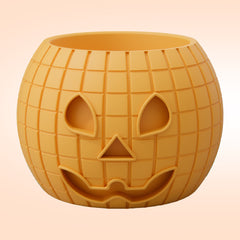
FreezPumpkin Dog Toy
For gentle to medium chewers. Not for tough chewers. Made for moderate chewers, the...
$21.95
Shop FreezPumpkin Dog Toy - Fun & Durable Pumpkin Enrichment Chew For Moderate Chewers -
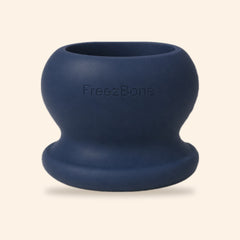
Freezball
Our #1 seller. Fill it, freeze it, and get up to 45 minutes of licking and chewing.
$15.95
Shop Freezball Dog Chew Toy- Durable Fillable Dog Chew Bone
Keep reading in Frozen Recipes

Easy Thanksgiving Recipes for Dogs: Turkey, Sweet Potato & Peanut Butter Bites
Two baked bites and one frozen mash, made with plain turkey, sweet potato and xylitol-free peanut butter.

Batch Prep: Fill and Freeze a Week of Enrichment in One Hour
One hour on Sunday, fourteen frozen sessions: the layering, freezer and washing system that sticks.

Is Greek Yoghurt Safe for Dogs? Lactose, Sugar and What Happens When You Freeze It
Which yogurts are safe, the non-fat trap, portions by weight and what changes when you freeze it in a toy.